Pricing
Pricing Hierarchy
This article will help you to analyze and improve your pricing processes by identifying where you are in the pricing hierarchy.
Phil’s Profit Points™ in Brief:
Pricing should reflect the value to your customers.
Pricing should be flexible so customers can select the level of value that they want.
Pricing should not punish your customers.
Pricing is part art and part science.
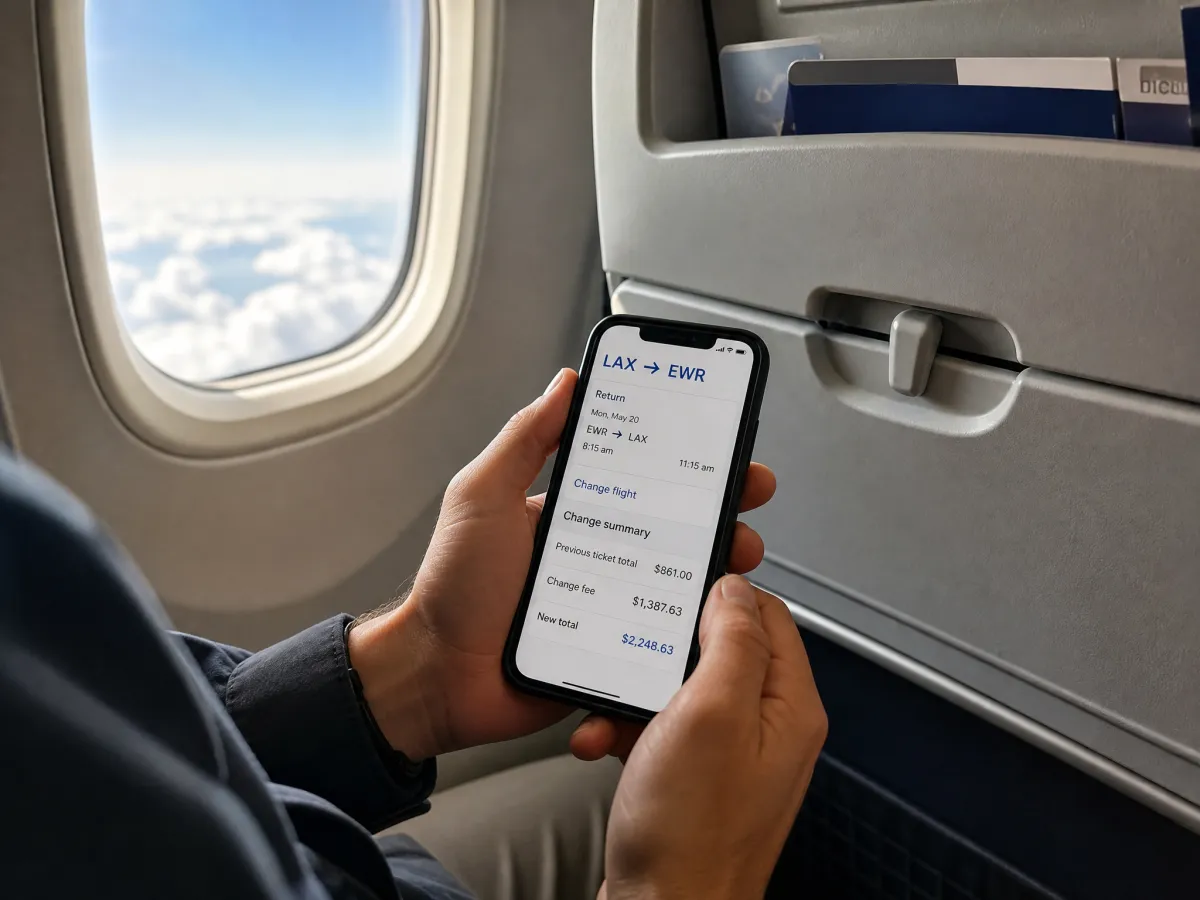
On a recent flight to New York, my entire return ticket cost $861. Two days before I departed, I called United Airlines and advised them that I wanted to change the return portion of my trip and come home earlier. “No problem, sir,” Collette, the United agent said, and “that will be an additional $1,387.63.”
“That’s more than my entire original ticket,” I replied in disbelief.
“You will also only be able to use your cancelled portions on the exact travel routes as originally purchased,” she advised.
A quick check on-line and Air Canada could fly me home on a one-way ticket for $799 plus taxes, a lot of taxes. Business class was cheaper than economy! More crazy pricing. I booked the Air Canada ticket.
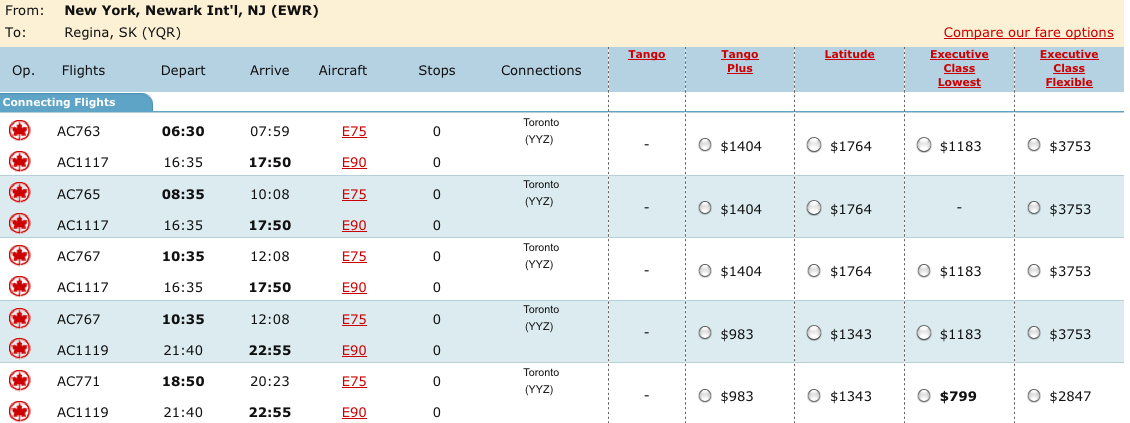
Air Canada and United Airlines are strategic partners yet their pricing, like many airlines, is perplexing.
How do you price your goods and services? Here is a pricing pyramid that reflects your pricing choices.
The Symco Pricing Hierarchy:
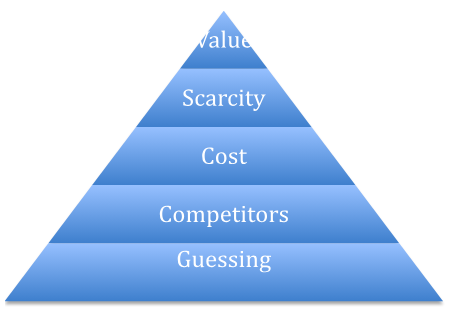
Let’s start at the bottom. If you don’t know your actual costs or what your competitors are up to, then I’m guessing that you’re guessing at your prices. Fortunately, most businesses don’t operate this way. If they do, it won’t be for long. Even my 12 year-old entrepreneurial, jewelry-making daughter quickly found that guessing prices didn’t work. She did her market research and knew her time and material costs. She wasn’t guessing.
Competitors price their products in any of the ways that we see on the pyramid. In fact, they may be guessing, liquidating old inventory, in a cash crunch, or are focused on growing revenues instead of profits. It’s important to know what your competitors are up to: you can check prices on the internet or talk to their suppliers or customers or shop their business. You should know what your competitors are charging but don’t let them dictate your prices.
I remember reading a sign in my lawyer’s office that said: “I have no quarrel with the person who has lower fees. They know the value of their services.”
Pricing on costs and then applying a mark-up is a legitimate and profitable method provided that you know all of your costs. The direct costs of labor, materials, freight and other variable costs are usually easy to determine. The fixed or overhead costs are more difficult and many businesses don’t know these or don’t use them in pricing. Allocating fixed costs is part art and part science.
The easiest (but not most accurate) way to calculate them is to take your total marketing, general and administrative expenses from last year and divide them by your units of production or units of sales for that year. This will give you an overhead cost per unit. Then, update the costs and assumptions for the current year.
Adding your direct costs and overhead costs and then applying a profit markup can work. However, you need to factor in future costs against future volumes. If future costs go up and future volumes go down, then you will lose money compared to the prior year. In other words, the assumptions are critical to pricing.
We’ve helped companies have record profit years by being conservative on the volumes and aggressive on the cost increases, thus creating a realistic overhead base. Once the volume target was achieved in the current year, the company made extra profits.
Scarcity is based on supply and demand; an economic theory. Diamonds are scarce, many natural resources have limited supply, but the commodity that is most scarce is time. If you can save your customers time, you will be more valuable.
Value pricing is based on the value that the customer receives. Value includes financial and non-financial benefits that are relevant for both an individual and their business, if they are a corporate or wholesale customer. The more time and effort that you spend to learn how your customer values your products and services, the more you can attract the right customer and the more your customer will be willing to pay.
Marketing and pricing involves educating your customer about your value. If you don’t have unique value, then you’re just another commodity and those are evaluated solely on price.
Symco Value Matrix™: Service Firm example
The airlines seem to have a crazy pricing structure, in my opinion. This is what happens when the company thinks of the customer as a transaction to be maximized instead of a long-term relationship that can be nurtured profitably.
Tough Question
How do you set prices for your products and services?
From the Piggy Bank
Giving your customers pricing choices will increase the likelihood of their buying from you and will increase your margins.
Have a profitable week!


