Part One: Are You Making These Business Structure Mistakes?
Business structure is about how you set up your company’s legal and tax structures. It’s much more cost effective to get professional advice to set up or modify the structures now, and in advance of a major transaction, than it is to change them in a rush to accommodate a sale, for example. When you consider that your business may be your largest single financial or retirement asset, it’s critical to your financial health that the structures are optimized.
Phil’s Profit Points™ in Brief:
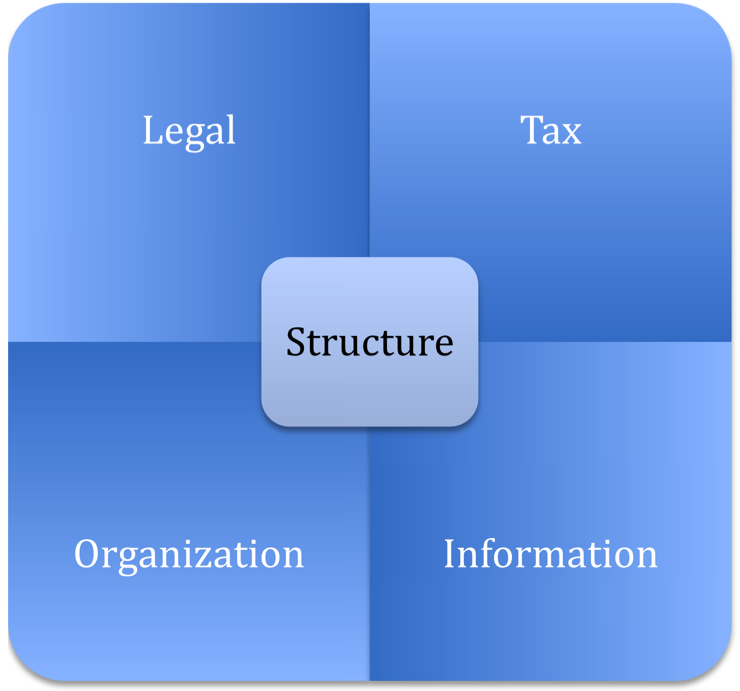
Business structures include: legal, tax, management structure and information systems.
We’ll discuss the first two in this issue: legal and tax structures.
The most common mistakes include: not seeking professional advice for legal and tax matters, failing to keep important documents such as wills and shareholder agreements up to date, focusing on minimizing taxes instead of maximizing business and personal wealth, and trying to do it yourself.
It’s prudent to get a second opinion on your overall structures from an independent expert every few years.
Part One: Are You Making These Business Structure Mistakes?
The purpose of business structure is to support your strategy. Strategy always comes first. If your strategy isn’t clear, then your structure won’t have the rigidity it needs to be the foundation for your business.
A rigid structure, like a building or a bridge, is made of steel and concrete. It can still be added to or changed, but it can support a lot of weight. A flexible structure, like a floating raft or ship, might be more mobile but can be easily capsized and doesn’t support as much weight.
1. Legal Structure
Legal structure refers to the corporate share structure and legal entities that own various operating companies and assets. A proper legal structure will also help you to create and protect business equity, that is, your wealth, and make your business more valuable and easier to sell.
The most common mistakes that I see are:
People don’t consult a lawyer or an accountant when setting up their companies.
People rely on their personal advisor who may be a generalist and who doesn’t specialize in business law or tax. This results in a poor or inefficient structure.
Corporate bylaws and minutes are not kept up to date.
Bylaws don’t reflect the nature of business operations.
One company may own everything, including land and buildings. The land and buildings might best be set up in a separate holding company. The operating assets should be set up in an operating company.
Key agreements with employees, suppliers, customers and others aren’t documented.
Intellectual property isn’t protected.
In multiple shareholder companies, the Unanimous Shareholders’ Agreement does not exist or was not signed.
Personal legal documents such as wills and powers of attorney are not up to date.
Important documents are stored in a safety deposit box – which is very difficult to access in the event of an emergency. They should also be stored at your lawyer’s office with instructions on who to call in your family or your business.
Doing legal work yourself to save money.
What is your legal structure? Can you draw it on one page? Does it support your long-term goals and provide you with flexibility for business transitions? Are your important documents up to date and signed?
DISCLAIMER: Always consult legal and tax professionals who can advise on your specific situation. Make sure that you tell them your long-term goals and work backwards from there. Ask them to draw pictures and explain themselves so that you understand their advice. If you can’t explain your own structure, it’s either too complicated or you need to ask you advisor more questions or you need a new advisor.
2. Tax Structure
The most common tax mistakes are:
The number one problem is that accountants ask their clients if they want to minimize their taxes. And, the client usually says yes. That’s the wrong question. This may result in legitimate deductions that usually only create temporary tax deferrals and you still have a future large tax bill hanging over your head.
The right question is: do you want to maximize your after-tax cash flow and your long-term wealth? This should lead to strengthening earnings and equity to support growth and leverage.
Companies don’t set up and use family trusts or holding companies to protect wealth and achieve tax nirvana.
Business owners don’t receive an annual tax check-up to make sure they are maximizing their after-tax cash flow and increasing their wealth.
Companies have too few share classes and this reduces tax flexibility.
An owner’s personal financial goals are not congruent with business goals.
Legitimate but discretionary expenses are not tracked carefully and can’t be separated or normalized when a potential buyer is looking at the financial statements.
Letting tax strategies “drive the bus” and dictate business strategy. This should never happen.
The goal should be to grow and be as profitable as possible, not to pay as little tax as possible.
Are you minimizing taxes in the short term or maximizing your long-term wealth? Are you strengthening your balance sheet so that you can support long-term growth that will ultimately increase your wealth?
What’s your focus?

If you want help assessing your business structures, give us a call at 855-904-0087
In Conclusion
Your legal and tax structures should intentionally support your overall business strategy and future growth. They should also position you, as the owner, to maximize business valuation, in order to increase and protect your wealth.
Tough Question
How well does your business structure help you to build up profits and business equity, protect your business wealth, and provide for a transition in the event of your planned or unplanned departure?
From the Piggy Bank
The best professionals provide proactive advice and follow up to ensure that you are doing the important things. The worst ones just answer your questions, don’t ask you questions, and are overworked. If you can’t see their floor or their desk because of piles of files, run!
Have a profitable week!


