Are You Making These Business Structure Mistakes?
.
Phil’s Profit Points™ in Brief:
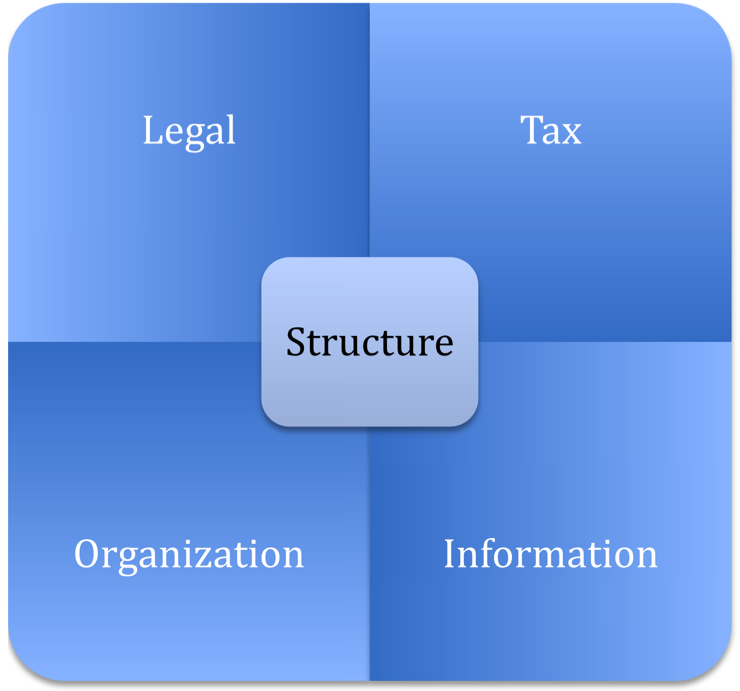
Business structure includes legal, tax, organizational chart and information systems.
The most common mistakes include not seeking professional advice, not aligning the structures with your business strategy and long term personal goals, lacking an organizational chart that guides communication and management efficiency, and not being able to provide your management team with important business information on a timely basis.
Are You Making These Business Structure Mistakes?
The purpose of business structure is to support your strategy. Strategy always comes first. If your strategy isn’t clear, then your structure won’t have the rigidity it needs to be a foundation for your business. A rigid structure is made of steel and concrete and can still be added to or changed, but it can support a lot of weight. A flexible structure, like a floating raft or ship, might be more mobile but can be easily capsized and doesn’t support much weight.
1. Legal Structure
Legal structure refers to the corporate share structure and legal entities which own various operating companies and assets. It’s time to incorporate a sole proprietorship when you are profitable or have risk. A proper legal structure will also help you to create and protect business equity, that is, your wealth, and make your business easier to sell.
The most common mistakes that I see are:
People don’t consult a lawyer or an accountant when setting up their companies or they use a generalist who doesn’t specialize in business law. This results in a poor or inefficient structure.
One company may own everything including land and buildings when in fact the land and buildings should be set up in a separate holding company and the operating assets should be set up in an operating company.
Companies don’t use family trusts or holding companies to protect wealth and achieve tax nirvana.
What is your legal structure? Can you draw it on one page? Does it support your long term goals and provide you with flexibility for business transitions?
Always consult a legal professional who can advise on your specific situation. Make sure that you tell them your long term goals. Otherwise, they may use templates for efficiency and to keep your costs down, but that don’t help you in the long term.
2. Tax Structure
The most common tax mistakes are:
The number one problem is that accountants ask their clients if they want to minimize their taxes. That’s the wrong question. And, the client usually says yes. This results in legitimate deductions that usually only create tax deferrals and you have a large tax bill hanging over your head.
The right question is: do you want to maximize your after-tax cash flow and your long term wealth?
Business owners don’t receive an annual tax check up to make sure they are maximizing their after-tax cash flow and increasing their wealth.
Companies have too few share classes and this reduces tax flexibility.
Are you minimizing taxes in the short term or maximizing your long term wealth? Are you strengthening your balance sheet so that you can support long term growth that will ultimately increase your wealth?
3. Organizational Chart
One of the most powerful things that you can do to plan your business growth is to sit down and draw out what your organizational chart – who reports to whom, by position, not personal names – for what it looks like now and what it needs to look like in five years when you are probably twice as large (that’s only about 15% annual growth).
The most common mistakes are:
An organizational chart does not exist or it’s not updated
It’s not used for management communication or planning.
There is no career plan for your key people so they don’t know what their future looks like and whether they should stay or not.
The owner continually overrides the organizational chart and thereby reduces his or her managers and their credibility.
There is no long term organizational chart.
There is no succession plan for management.
There are no clear ‘second-in-command’ people identified for your key positions.
An organizational chart is a powerful and effective tool that forces management to create structure in the business. Every business should have an organizational chart that shows the different functional areas and responsibilities.
4. Information Systems
Information systems refers to the critical information that an organization needs to track its customers and prospects, sales pipeline, production pipeline and accounting data.
The most common mistakes are:
The only information system that is formalized and reliable is the accounting system.
Companies do not formally track their customers and prospects.
There is no documented policy and procedure for key processes such as attracting prospects, converting prospects to customers, serving customers, monitoring production and delivery, and converting accounting information into business information that the managers can use to make decisions.
There is no formal method of providing company wide information to key managers.
Managers are forced to interpret historical accounting information and try to figure out what happened in the business.
There is no integration of customer, production and accounting information.
How fast do you receive your monthly financial statements? (Hint, it should by the 10th or earlier) What is your sales pipeline? How long is your production backlog? What is your gross margin by product and service line and customer? What is your total days to cash?
If you don’t know the answers to these questions, then you’re missing out on profits because this information will help you and your managers to make better decisions.
If you want help assessing your business structures, give us a call at 855-904-0087
In Conclusion
Your structure should intentionally support your overall business strategy and position you, as the owner, to maximize both business profits and valuation, in order to increase and protect your wealth.
Tough Question
How well does your business structure protect your business wealth and provide for a transition in the event of your untimely departure?
From the Piggy Bank
The best professionals provide proactive advice and follow up to ensure that you are doing the important things. The worst ones just answer your questions, don’t ask you questions, and are overworked. If you can’t see their floor or their desk because of piles of files, run.
Have a profitable week!


